Missed appointments are one of the most frustrating—and costly—challenges across both medical and dental practices. Whether it’s a routine check-up, hygiene visit, or a higher-value procedure, every open slot represents lost revenue, underutilized staff time, and scheduling gaps that are difficult to recover on short notice.
While many practices accept no-shows as part of the business, the data shows just how significant the issue really is.
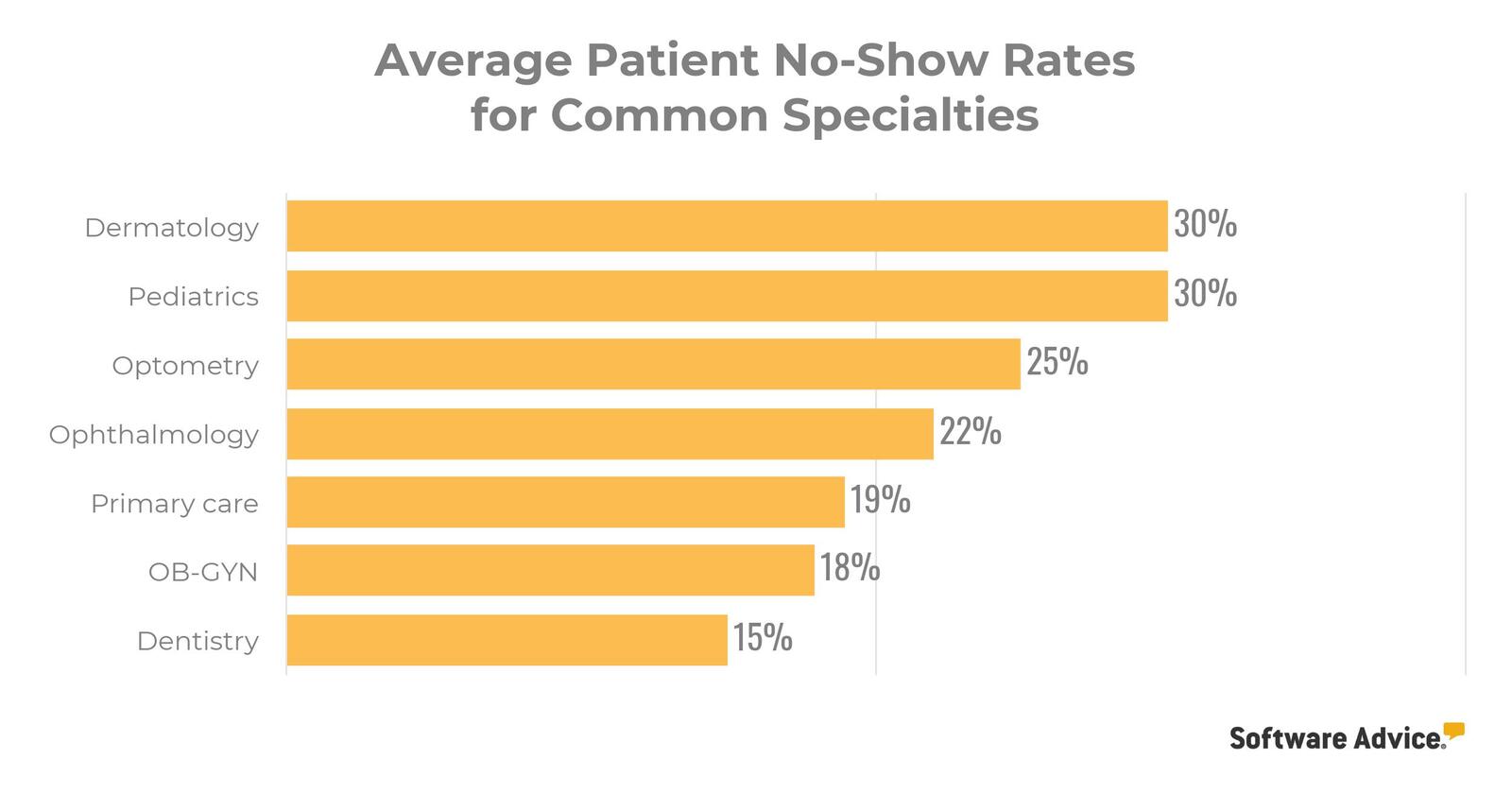
Across healthcare, practices typically lose between 10% and 30% of scheduled appointments to no-shows, with many averaging around 15%. That may not sound substantial at first—but financially, it adds up quickly. A practice operating at that level can lose $60,000 or more annually, and in many cases significantly more, simply from missed appointments.
The Real Cost of No-Shows
A single missed appointment may not seem like a major issue in isolation, but when you consider that each visit can represent $200–$400 (or more) in production and 45–60 minutes of provider time, the impact becomes clear. That time can’t be recovered. Staff is still scheduled, overhead is still incurred, and the opportunity to treat another patient is gone.
Beyond the immediate financial loss, no-shows disrupt your entire operation. Schedules become inconsistent, providers fall behind daily production goals, and administrative teams are forced to spend time rescheduling rather than focusing on patient care and experience. It’s no surprise that a large majority of healthcare practices report no-shows and late cancellations as a persistent operational challenge.
In many cases, patients aren’t intentionally missing appointments. A significant portion of no-shows comes down to forgetfulness or scheduling conflicts. But another major factor is lack of commitment. When there’s no financial stake in the appointment, the perceived value drops—making it easier for patients to cancel late or not show up at all.
How Deposits Change Patient Behavior
This is where deposits make a measurable difference.
Requiring a deposit—even a modest one—creates accountability. It reinforces that the appointment time has value and gives patients a reason to follow through. Practices that implement deposits often see meaningful reductions in no-show rates, along with fewer last-minute cancellations and a more predictable daily schedule.
There’s also a behavioral shift that comes with it. When patients have money tied to an appointment, they are more likely to keep it, reschedule in advance, and stay engaged in their care. For practices, this not only improves attendance but can also lead to better treatment adherence and continuity of care—especially for ongoing or higher-value services.
Why Payment Experience Matters
The success of a deposit strategy doesn’t just depend on having a policy—it depends on how easy it is for patients to follow through.
If the process requires patients to call the office, wait on hold, or provide card details manually, friction is introduced—and friction reduces compliance. Patients delay, forget, or abandon the process altogether, limiting the effectiveness of your deposit strategy.
That’s why more medical and dental practices are moving toward simple, digital-first payment experiences. Sending secure payment links via text or email allows patients to complete deposits in seconds. Storing cards on file makes it easier to secure future appointments. Automatically applying deposits to final balances streamlines checkout and reduces confusion at the front desk.
When the payment process is seamless, adoption increases—and the benefits of deposits become consistent across the practice.
A More Predictable, Profitable Schedule
When implemented correctly, deposits don’t create friction—they create clarity. Patients understand expectations upfront, your team spends less time chasing confirmations, and your schedule becomes far more reliable.
Over time, this leads to stronger operational performance. Providers maintain higher utilization, staff productivity improves, and revenue becomes more predictable. Instead of reacting to gaps in the schedule, your practice can operate more proactively and focus on delivering a better patient experience.
Medical and dental practices don’t have to accept no-shows as a cost of doing business. With a thoughtful deposit strategy and the right payment tools in place, you can reduce missed appointments, stabilize your schedule, and protect your revenue—while still maintaining a professional, patient-friendly experience. To learn more about payment options for practices, contact us today.